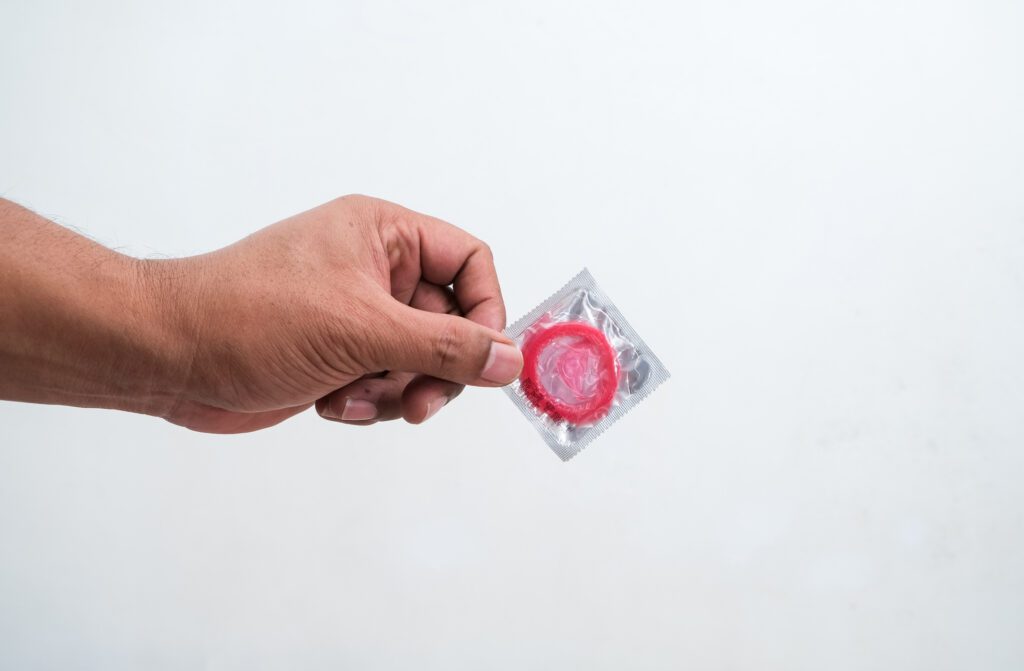
HIV is transmitted through specific bodily fluids, including blood, semen, vaginal or rectal fluids, and breast milk. It is not spread through casual contact such as hugging, sharing food, or everyday interactions. Common risk factors include unprotected sex and sharing needles, but there are many ways to reduce the risk of HIV transmission. Prevention methods include using condoms, avoiding shared needles, getting tested regularly, and using medications like PrEP, which can help prevent HIV when taken consistently. PEP may also help prevent HIV if started within 72 hours after possible exposure. With proper treatment, people living with HIV can live long, healthy lives, and individuals with an undetectable viral load cannot transmit HIV through sex (U=U). Community-based programs also provide education, prevention resources, and ongoing support.
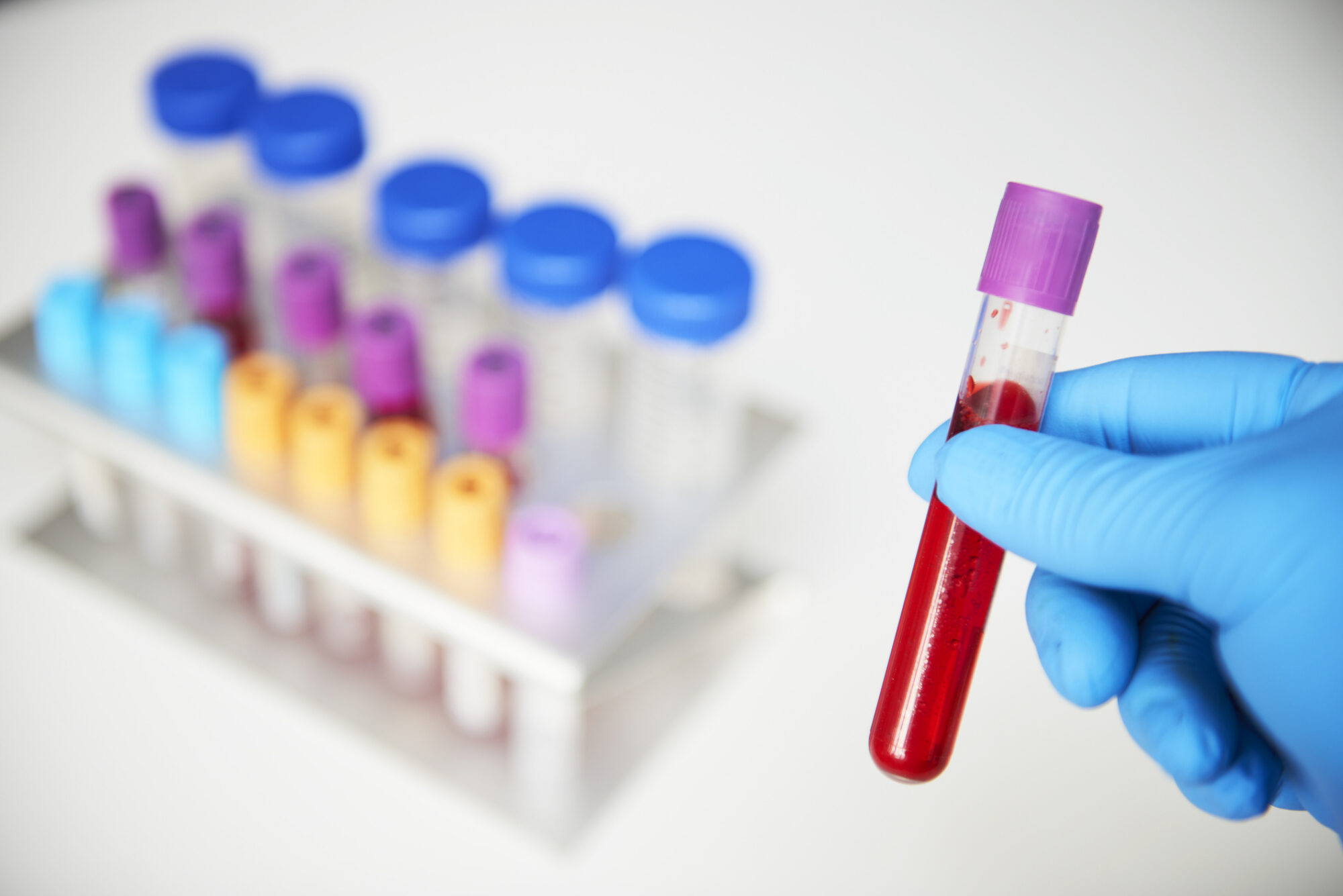

Take Charge of Your Health
Learn about HIV prevention, testing, treatment, and support services designed to help you stay informed, protected, and connected to care.